

A Major Event in the Architecture Community! Feng Chia University Partners with Four Top Italian Universities—International Forum Sparks New Energy in Design
Taiwan’s architectural education community welcomed a major international exchange event! On November 21, Feng Chia University and the Taichung City Architectural Culture and Education Foundation jointly hosted the international forum “The Power of Design: Shaping a Sustainable, Healthy, and Shared Future” at Virtuosi Hall. The forum brought together five renowned scholars: Professor Giulia Gerosa from POLI.design, Politecnico di Milano; Professor Francesca De Filippi from Politecnico di Torino; Professors Maria Federica Ottone and Luca Galofaro from the University of Camerino; and Professor Francesco Collotti from the University of Florence. They gathered at Feng Chia University to share their latest research and practical achievements in sustainable design, resource circulation, human-centered spaces, and educational innovation.
The forum was moderated by Edward Kao, Executive Director of the Taichung City Architectural Culture and Education Foundation, with Vice Chairperson Lily Chang and Feng Chia University Vice President Shwu-Ting Lee also invited as panelists. Representatives from academia and industry engaged in in-depth discussions on three key aspects: educational foundations, industrial innovation, and social sustainability. Together, they explored how design can return to a “people-centered” approach and realize a vision of healthier and more shared living.
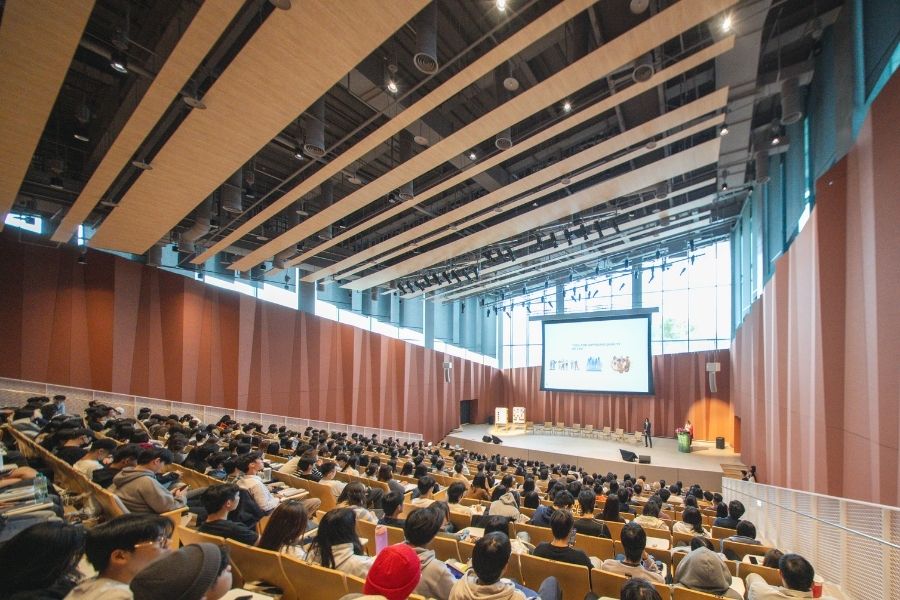
Feng Chia University and the Taichung City Architectural Culture and Education Foundation co-hosted the international forum “The Power of Design.”
The forum began with Professor Giulia Gerosa from Politecnico di Milano, who opened with the topic “Designing Value.” She pointed out that the soul of Italian design lies in precisely balancing culture and industry, art and technology. Through “inclusive design” and “sustainable innovation,” design is elevated to a poetic action and political practice that improves quality of life.
In response to global climate change and resource crises, Professor Francesca De Filippi from Politecnico di Torino offered profound reflections on “design under scarcity.” She proposed transforming “constraints” into drivers of innovation, sharing practical cases such as the reconstruction of medical facilities in Ukraine and projects in Africa, demonstrating how combining low-tech and high-efficiency approaches can showcase design resilience under limited resources.
Addressing the revitalization of historical sites, two professors from the University of Camerino provided solutions at different scales. Professor Maria Federica Ottone focused on “reusing historic cities,” exploring how to balance modern needs with historical context in the planning of riverside and green viewpoints. Professor Luca Galofaro, using Ascoli Piceno in Italy as an example, noted that up to 30% of houses there are vacant. By transforming unused historic buildings into student residences and community hubs, not only is the housing problem solved, but a tightly knit micro-community network is created, revitalizing declining old towns.
The final speaker, Professor Francesco Collotti from the University of Florence, spoke emotionally about “learning to coexist.” Through the case of the reconstruction of downtown Frankfurt, he explained that whether it is a square, a courtyard, or even just a bench, all are “warm living spaces” that promote interpersonal interaction, emphasizing the key role of architecture in connecting emotions and memories.
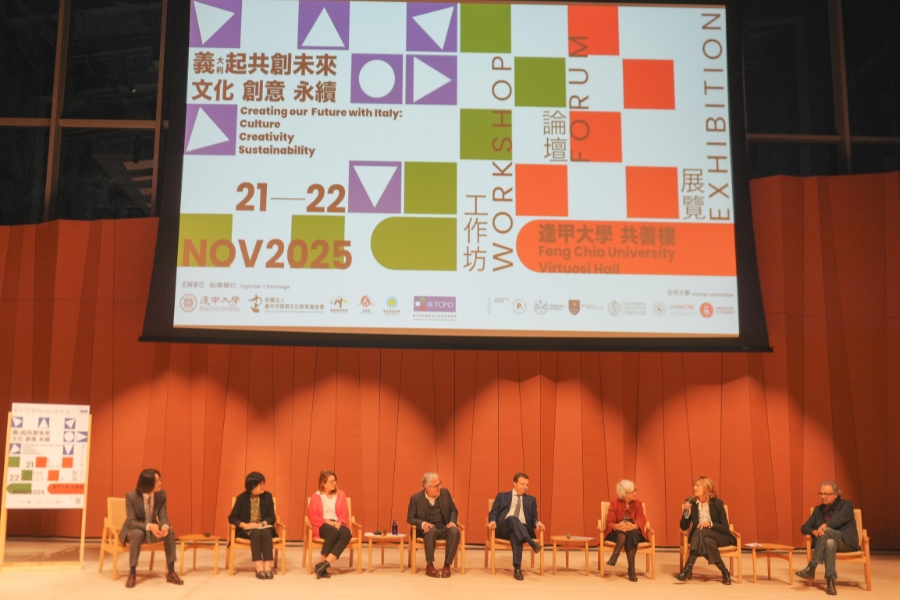
Five distinguished scholars from four top Italian universities gathered at Sheng-Jih Hall, Virtuosi Hall, Feng Chia University.
Vice President Shwu-Ting Lee of Feng Chia University stated that the joint visit of five top Italian universities set a new record for academic exchanges in recent years. This not only established Feng Chia University as a hub for academic exchange between Taiwan and Italy, but also concretely advanced the university’s goal of “enabling 25% of all students to have international participation experience.” Lee expressed hope that through in-depth cooperation with leading European institutions, students can directly absorb world-class design thinking.
The activities extended beyond the forum, featuring the “POLI.design × Feng Chia University Workshop,” jointly organized by professors from Politecnico di Milano and faculty from the School of Architecture at Feng Chia University. Together, they will guide Feng Chia students and industry designers in hands-on projects themed “Living × Sharing × Sustainability,” continuously exploring more possibilities for design in contemporary society.
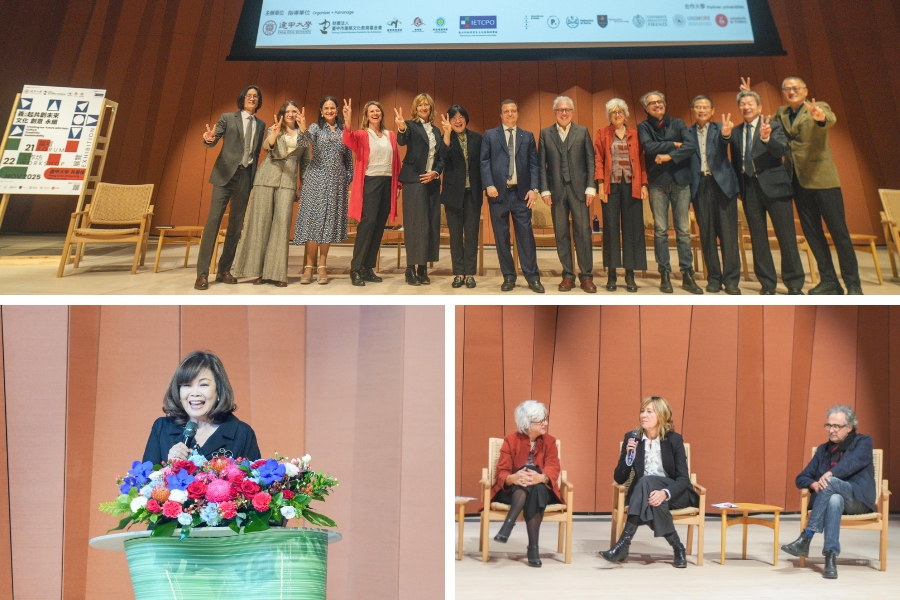
The forum was moderated by Edward Kao, Executive Director of the Taichung City Architectural Culture and Education Foundation, with Vice Chairperson Lily Chang and Feng Chia University Vice President Shwu-Ting Lee participating as panelists.
Share: